
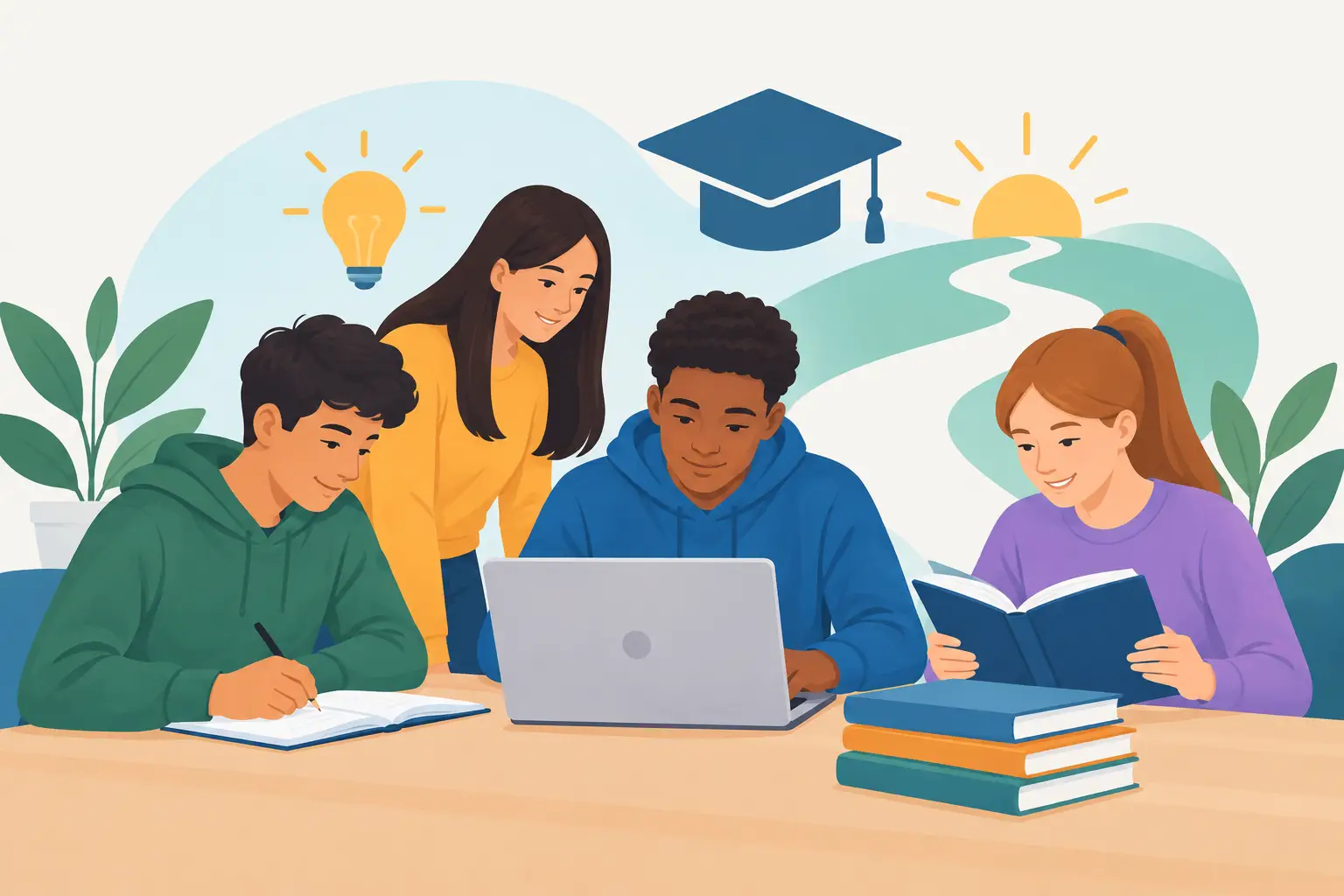
A student can finish the school day with real potential and still lack the resources that turn potential into direction: a trusted mentor, a quiet place to learn, a coach who reinforces accountability, or an introduction to a career they have never seen up close. Academic enrichment programs for youth help close that gap by creating meaningful experiences around the classroom, not simply adding more assignments after the bell.
For families, schools, coaches, and community partners, the goal is bigger than a higher test score. Young people need consistent support that strengthens their academic skills, confidence, relationships, and sense of what is possible. When learning is connected to mentorship, athletics, and career exposure, students are more likely to see achievement as something that belongs to them.
What Academic Enrichment Programs for Youth Should Do
The strongest programs give young people more than tutoring. They offer a setting where questions are welcomed, effort is recognized, and each student is treated as an individual with strengths to develop. That can include literacy support, STEM activities, college and career readiness, project-based learning, leadership development, and help building productive study habits.
The format should reflect the needs of the students and the community. An elementary student may benefit most from reading support and hands-on science. A middle school student may need help managing a growing workload while building social confidence. For high school students, enrichment may include financial literacy, career conversations, resume preparation, college guidance, and opportunities to meet professionals who can make future pathways feel real.
Academic growth matters, but it is not the only measure of success. A young person who learns to ask for help, show up prepared, work through setbacks, and contribute to a team is building skills that carry into every classroom, workplace, and neighborhood they enter.
Why Enrichment Works Best as a Connected Experience
A one-time workshop can spark interest. A consistent program can change a student’s relationship with learning. The difference often comes down to connection.
Mentors make opportunity personal
A caring mentor can help a young person translate broad encouragement into next steps. Instead of hearing, “You can be anything,” a student can talk with someone who asks about their interests, helps them set a goal, and checks in when school becomes difficult. Mentoring does not replace parents, teachers, or counselors. It strengthens the circle of adults who are invested in a young person’s progress.
That relationship is especially valuable when students are navigating systems or career options that may be unfamiliar to their families. A mentor can help them prepare for a conversation with a teacher, practice an introduction, identify an internship interest, or recognize that one disappointing grade is a moment to address rather than a reason to give up.
Athletics reinforce the habits learning requires
Sports are often treated as separate from education, but the right athletic environment can support academic success in practical ways. Practice teaches preparation. Teamwork teaches communication. Competition creates opportunities to manage emotions, receive feedback, and respond after a loss.
Those lessons only become meaningful when adults name them and connect them to life beyond the field or court. A coach who asks athletes about attendance, study habits, and goals sends a clear message: discipline is not reserved for game day. Athletics can be a powerful vehicle for confidence and leadership, but it should complement academic support, not compete with it.
Career exposure gives learning a reason
Students are more likely to stay engaged when they can connect schoolwork to a future they can picture. Meeting entrepreneurs, artists, engineers, health care professionals, tradespeople, and community leaders expands their understanding of what meaningful work can look like.
Career exposure is most effective when it goes beyond a single speaker. Young people benefit from asking questions, seeing workplaces, participating in projects, and hearing honest stories about preparation, setbacks, and growth. A professional network should not be a privilege available only to a few students. Communities can help make it part of the opportunity every young person deserves.
The Building Blocks of a Meaningful Program
Effective enrichment has structure, but it also leaves room for students to explore. Programs should set clear expectations for participation while remaining responsive to the realities young people and families face, including transportation, caregiving responsibilities, technology access, and changing schedules.
The following elements create a stronger foundation:
- Consistent academic support that helps students build skills, complete work, and develop confidence as learners.
- Trusted mentors and program leaders who show up regularly, listen carefully, and hold young people to high expectations.
- Enriching experiences such as campus visits, arts activities, athletics, service projects, and career conversations that connect learning to the wider world.
- Family communication that keeps caregivers informed and invites them into goal-setting and celebrations.
- Safe, welcoming spaces where students can be themselves, build friendships, and take healthy risks without fear of being dismissed.
Quality also requires attention to program design. Students should have a voice in what they learn and how they participate. Attendance alone is not proof of impact. Leaders should look for signs of growth such as improved engagement, stronger study habits, completed projects, school persistence, leadership behaviors, and students’ own belief that they can pursue their goals.
What Partners Can Do Beyond Writing a Check
Community investment becomes more powerful when organizations share more than funding. Schools can identify students who would benefit from added support and help align programming with academic needs. Nonprofit partners can bring trusted relationships and specialized expertise. Businesses can offer career speakers, job-shadowing opportunities, supplies, volunteers, and spaces for young people to learn.
Parents and caregivers bring essential knowledge about their children. Their perspective should shape schedules, communication, and support strategies rather than being treated as an afterthought. Coaches and mentors can reinforce the same expectations around attendance, respect, preparation, and perseverance, so students hear a united message from the adults around them.
For donors and corporate social-responsibility teams, the question is not simply how many students a program can reach this month. It is whether the investment helps create continuity. Reliable staffing, transportation support, nutritious meals, learning materials, and access to meaningful experiences all affect whether a young person can participate fully.
Combs Enterprises believes this kind of shared commitment can connect educational programming, youth athletics, mentorship, and professional exposure into a fuller pathway for young people. No single institution can meet every need. Together, community partners can build environments where students are known, challenged, and supported.
Choosing the Right Opportunity for a Young Person
Families and youth-serving partners should look for programs that are clear about their purpose and respectful of each student’s time. Ask how academic support is provided, who mentors are, how safety is maintained, and whether families receive regular communication. It is also useful to ask what happens when a student struggles or misses a session. A thoughtful program has a plan for encouragement and re-engagement, not just rules for removal.
The best fit depends on the young person. Some students thrive in a structured, academically focused setting. Others first need a relationship-centered environment where an interest in sports, art, technology, or service opens the door to deeper engagement. A program does not need to be everything to everyone, but it should be honest about what it offers and connected to other resources when students need more support.
Young people do not need communities to predict their futures for them. They need adults willing to invest in their preparation, introduce them to new possibilities, and remain present as they grow. When a student has a mentor in their corner, a place to strengthen academic skills, a team that builds discipline, and a chance to meet people doing work that inspires them, the future becomes less distant. It becomes something they can begin building now.
Leave a Reply