
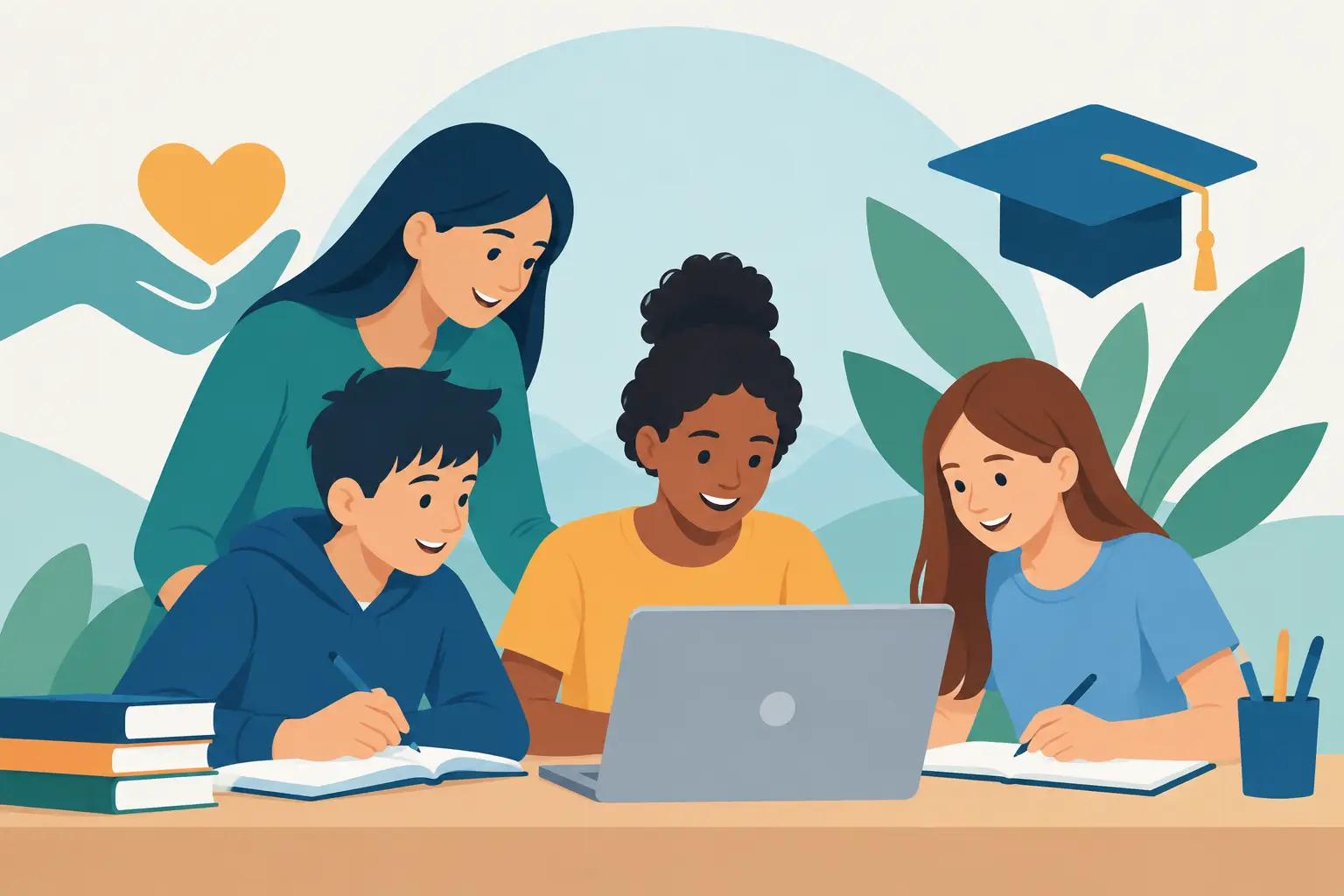
A student can work hard, show up to class, and still miss the relationships and experiences that make a future feel possible. A caring mentor, a quiet place to study, a team that expects accountability, or a conversation with a professional can change that trajectory. When you donate to youth education programs, you help make those moments available to more young people, not just those who happen to have access already.
Education is bigger than a school day. Young people grow when academic support is paired with encouragement, safe community spaces, athletics, and real exposure to careers. That combination helps students see themselves not only as learners, but as capable leaders with choices ahead of them.
Why donate to youth education programs?
A donation to youth education is an investment in the conditions that help students persist. It can support tutoring and enrichment, supplies and learning experiences, mentors who listen, transportation to opportunities, and programs that keep young people engaged after the final bell rings.
The strongest youth-development efforts do not ask students to separate who they are in the classroom from who they are on the field, at home, or in their neighborhoods. They connect those parts of a young person’s life. A student who gains confidence through athletics may be more willing to raise a hand in class. A young person who meets a professional may begin to see college, entrepreneurship, technology, public service, or another career path as realistic.
For many families, these experiences are difficult to access without community support. Schools and caregivers carry enormous responsibility, but they cannot always provide every enrichment opportunity, mentor connection, or career exploration experience on their own. Donors, local businesses, coaches, educators, and nonprofit partners can help close that gap.
The result is not simply one successful event. It is a stronger network around young people: adults who recognize their potential, peers who encourage one another, and programs that turn curiosity into direction.
Education works best with connection
Academic achievement matters, but information alone does not build confidence. Students also need to know that someone notices their effort, expects their best, and can help them navigate challenges. That is where mentoring becomes essential.
A mentor can help a young person set goals, talk through setbacks, practice communication, and make sense of unfamiliar opportunities. The relationship does not need to be dramatic to be meaningful. Consistent encouragement from a trusted adult can reinforce a student’s belief that they belong in advanced classes, leadership roles, college settings, and professional spaces.
Career exposure adds another practical layer. Many young people have talent and ambition but limited visibility into the range of careers available to them. Meeting professionals, visiting workplaces, hearing honest stories about career decisions, and asking questions can make future planning more concrete. It gives students language for their interests and a clearer sense of the steps between where they are and where they want to go.
This is why an integrated approach matters. Tutoring without belonging can feel transactional. Athletics without academic reinforcement can miss an opportunity for growth. Career exposure without follow-up can become a one-time inspiration rather than a pathway. When these efforts work together, young people receive guidance, structure, and opportunity from several directions.
Athletics can strengthen learning and leadership
Sports are often viewed as separate from education, but the right athletic environment can reinforce habits that support learning. Practice teaches preparation. Teamwork teaches communication. Competition teaches resilience. Coaches can model accountability and help young people understand how to respond when a plan does not work.
Of course, athletics are not a substitute for academic support, and not every student will connect with the same sport or activity. The goal is not to treat sports as a cure-all. It is to recognize athletics as one meaningful vehicle for discipline, confidence, leadership, and community when it is paired with clear expectations and caring adults.
A young athlete who learns to take feedback, support teammates, manage time, and keep showing up has gained skills that travel well beyond the game. Those lessons can strengthen classroom engagement, future employment, and participation in community life.
What thoughtful giving can support
The impact of a gift depends on a program’s model, the needs of the students it serves, and the resources already available in the community. Some programs may need learning materials or meals. Others may need qualified mentors, transportation, athletic equipment, access to career experiences, or safe spaces for students to gather.
Before giving, supporters can look for a clear connection between resources and outcomes. Strong programs explain who they serve, what experiences students receive, and how partners help sustain the work. They understand that youth opportunity is not created by a single donation alone. It is built through consistent programming, trusted relationships, and a community willing to stay involved.
Consider the difference between funding a one-day activity and supporting an ongoing experience. A special event can introduce students to something new, and that matters. Yet recurring mentoring, academic enrichment, and leadership development often create deeper relationships and more reliable support. Both can have value, but donors should consider whether their goals are to create a meaningful moment, build long-term capacity, or do both.
Giving is one way to show up
Financial support is powerful because it gives mission-driven organizations the flexibility to deliver programming where it is needed most. But community participation can take several forms. Employers can create career exposure opportunities. Schools can collaborate on student needs. Coaches can reinforce academic goals. Families can encourage young people to participate and celebrate their progress. Local organizations can bring resources, space, and expertise to the table.
For corporate social-responsibility teams, youth education partnerships can also turn business resources into direct community value. A company may have employees who can share career stories, leaders who can mentor, or teams that can support group participation in community programs. The most meaningful partnerships are not only visible. They are responsive to what students and program leaders say will help.
Combs Enterprises brings this shared-responsibility model to life by connecting education, mentorship, athletics, philanthropy, and professional exposure. The purpose is clear: help young people access the guidance and opportunities that support academic excellence, personal growth, and future leadership.
Make your support count beyond the gift
The best reason to give is not to claim credit for changing a life. It is to join a community that refuses to let a young person’s potential be limited by a lack of access. That requires humility as well as generosity. Students and families understand their own needs; effective supporters listen, partner, and stay committed.
If you are deciding where to direct your support, look for programs that treat young people as whole people. Ask whether students receive meaningful guidance, opportunities to learn, space to build confidence, and exposure to adults who can widen their view of the future. Look for an approach that values measurable progress while respecting that growth is personal and takes time.
Every student deserves more than encouragement from a distance. They deserve a community ready to invest time, resources, relationships, and belief in what they can become. Your support can help turn that belief into a tutoring session, a team practice, a mentor conversation, a career visit, or the next opportunity a young person needs to move forward.
Leave a Reply