
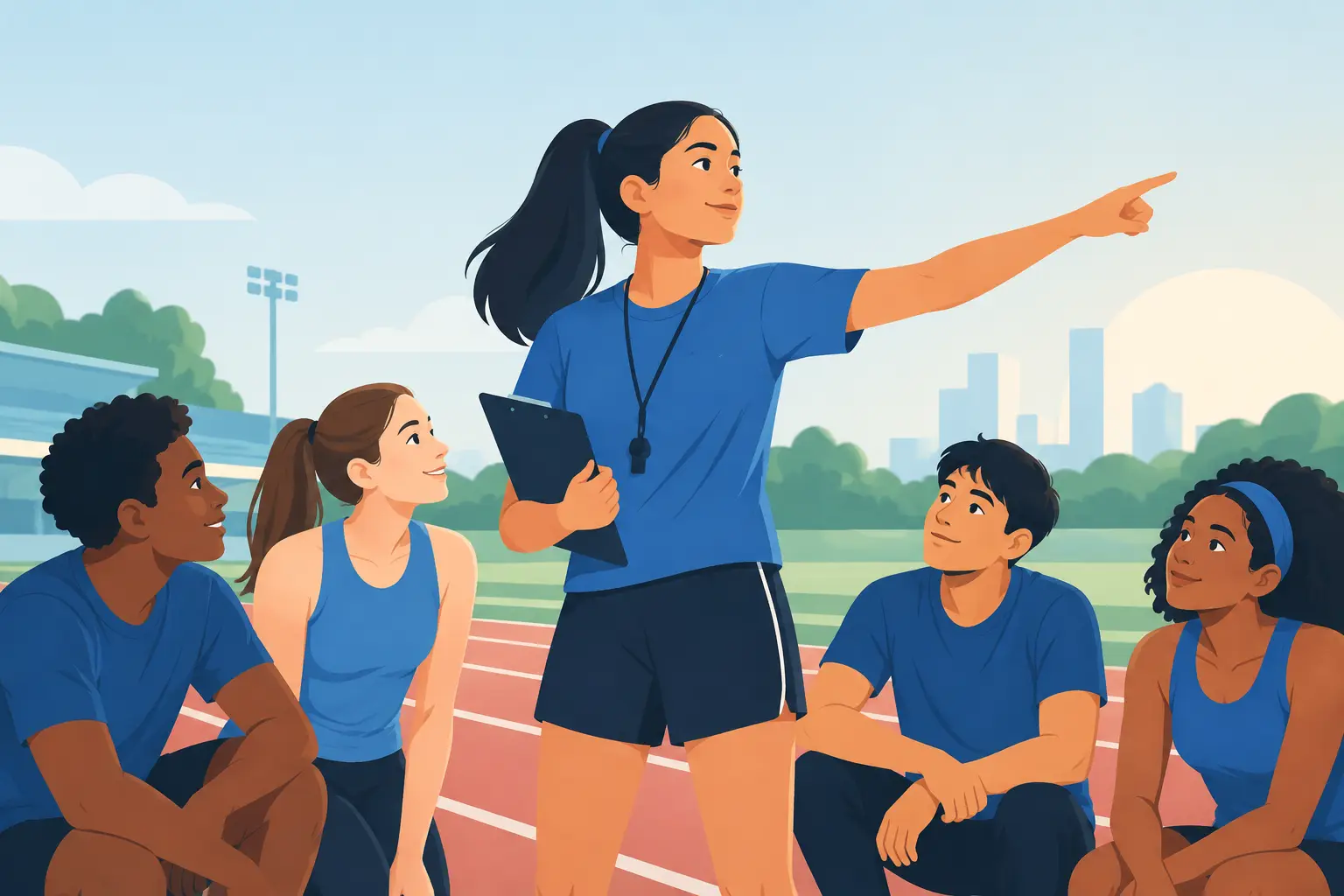
A young person who speaks up in a team huddle, helps a teammate recover after a mistake, or arrives early to prepare equipment is already practicing leadership. Youth leadership activities through athletics turn those everyday moments into lasting habits – especially when coaches, mentors, educators, and families reinforce the lessons beyond the game.
Sports can give young people a place to belong, a reason to stay engaged, and a clear standard for personal responsibility. But athletic participation alone does not automatically create leaders. Leadership grows when adults intentionally connect competition with mentoring, academic support, reflection, and exposure to the possibilities ahead.
Why Athletics Is a Powerful Leadership Setting
Athletics creates real responsibilities in real time. A student-athlete has to communicate with others, respond to pressure, make decisions, and manage emotions when the outcome matters. These are not abstract leadership exercises. They are lived experiences that can shape how a young person approaches school, work, family, and community.
A team also teaches the difference between individual talent and collective success. A gifted player may influence a game, but lasting progress requires trust, preparation, and shared effort. Young people learn that leadership is not always the loudest voice. It can look like listening closely, encouraging a teammate, owning a mistake, or doing the work that no one applauds.
For students who may not yet see themselves as leaders, athletics can offer an accessible starting point. The field, court, track, or gym creates opportunities to contribute before a student has the confidence to lead in a classroom or public setting. With the right support, that confidence can carry into every part of their life.
Youth Leadership Activities Through Athletics That Build Skills
The strongest programs make leadership visible and repeatable. Rather than reserving responsibility for team captains, they give every participant a chance to practice it.
Rotate meaningful team roles
Team roles should extend beyond carrying equipment or leading a warmup. Students can help set practice goals, welcome new participants, organize drills, track team commitments, or lead a post-practice reflection. Rotating these responsibilities prevents leadership from becoming a title held by only a few students.
Adults should explain why each role matters. A student managing equipment is practicing preparation and accountability. A student helping welcome a new teammate is building inclusion. A student leading a reflection is learning how to communicate clearly and respectfully.
Build reflection into the routine
A quick conversation after practice can turn a difficult loss, a conflict, or a personal breakthrough into a leadership lesson. Coaches and mentors might ask: What did our team do well when things got hard? Who helped someone else today? What would we handle differently next time?
Reflection matters because young people are often moving quickly from one demand to the next. Without a chance to process what happened, the lesson can disappear with the final whistle. A few purposeful minutes help students connect athletic choices to the values they can carry into school and relationships.
Pair older youth with younger participants
Peer mentoring creates leadership opportunities for older students while giving younger participants someone they can recognize and trust. A high school athlete can model preparation, academic focus, and respectful communication for middle school students. The younger participant gains encouragement, while the older student learns that leadership includes being dependable when someone is watching.
This approach works best when mentors receive guidance. Young leaders do not need to have every answer. They need clear expectations, adult support, and opportunities to ask questions when a younger student needs more help than they can provide.
Connect athletic goals to academic habits
Discipline on a team should strengthen discipline in the classroom. Programs can help students set weekly goals related to attendance, assignments, reading, or study time, then check in alongside athletic progress. The message is clear: being prepared for practice and being prepared for class are part of the same commitment to growth.
This connection is particularly valuable when young people receive consistent encouragement from mentors who understand both their strengths and their challenges. Academic enrichment should not feel separate from athletic development. Together, they show students that their future has more than one path to success.
Create service opportunities led by youth
Teams can serve their communities by organizing a neighborhood cleanup, supporting a food drive, assisting at a youth sports clinic, or creating welcome kits for new program participants. The key is to let young people help plan the effort, not simply show up for it.
Service helps students see leadership as responsibility to others. It also gives families and community partners a chance to witness young people as contributors, organizers, and role models. That visibility can shift the way a neighborhood invests in its youth.
The Adult Support That Makes the Difference
Coaches are influential, but they should not carry the full responsibility for youth development alone. Young people benefit most when athletics is connected to a wider circle of support that includes parents, teachers, mentors, counselors, local businesses, and community organizations.
A coach may notice that a student has leadership potential. A mentor can help that student set personal goals. An educator can reinforce academic progress. A professional guest can show how communication, teamwork, and persistence matter in a career. When these relationships work together, young people receive a more complete picture of what leadership can become.
Combs Enterprises advances this kind of connected support by bringing youth athletics together with mentoring, educational programming, career exposure, and community partnership. The goal is not simply to help young people perform well in sports. It is to help them build the relationships, skills, and access that support long-term opportunity.
Consistency is essential. A one-time motivational talk can be encouraging, but young people grow through repeated contact with adults who follow through. They notice who attends their games, asks about their grades, remembers their goals, and expects them to keep growing after a setback.
Make Leadership Inclusive, Not Exclusive
Not every young person will be a starting player, team captain, or natural public speaker. A leadership-centered athletic program must make room for different strengths. Some students lead through encouragement. Others are thoughtful strategists, dependable organizers, careful listeners, or steady examples of perseverance.
This is also where access matters. Program costs, transportation, equipment needs, scheduling conflicts, and limited safe spaces can keep young people from participating. Community partners, donors, and local organizations can help remove those barriers by funding scholarships, providing gear, supporting transportation, and opening facilities for youth programming.
There are trade-offs to consider. Competitive teams may prioritize performance and winning, while developmental programs may focus more on participation and personal growth. Both models can be valuable, but neither should overlook a young person’s well-being, academic responsibilities, or need for belonging. Clear expectations and strong communication with families help programs find the right balance.
From the Team to the Future
The leadership skills practiced through athletics should travel with young people. A student who learns to prepare for a game can prepare for an interview. A young athlete who learns to communicate during a close contest can speak with confidence in a classroom, workplace, or community meeting. A teammate who learns to recover from a loss can approach setbacks with resilience instead of retreat.
Career exposure strengthens that bridge. Meeting professionals who use teamwork, discipline, and problem-solving in their work helps students understand that the habits they are building have value beyond sports. They begin to see themselves not only as athletes, but as future college students, entrepreneurs, community advocates, skilled professionals, and leaders.
Communities do not have to wait for young people to become adults before trusting them with responsibility. Give them a meaningful role, a caring mentor, and room to grow. The leadership they practice on a team can become the leadership that strengthens a classroom, a workplace, and a neighborhood for years to come.
Leave a Reply