
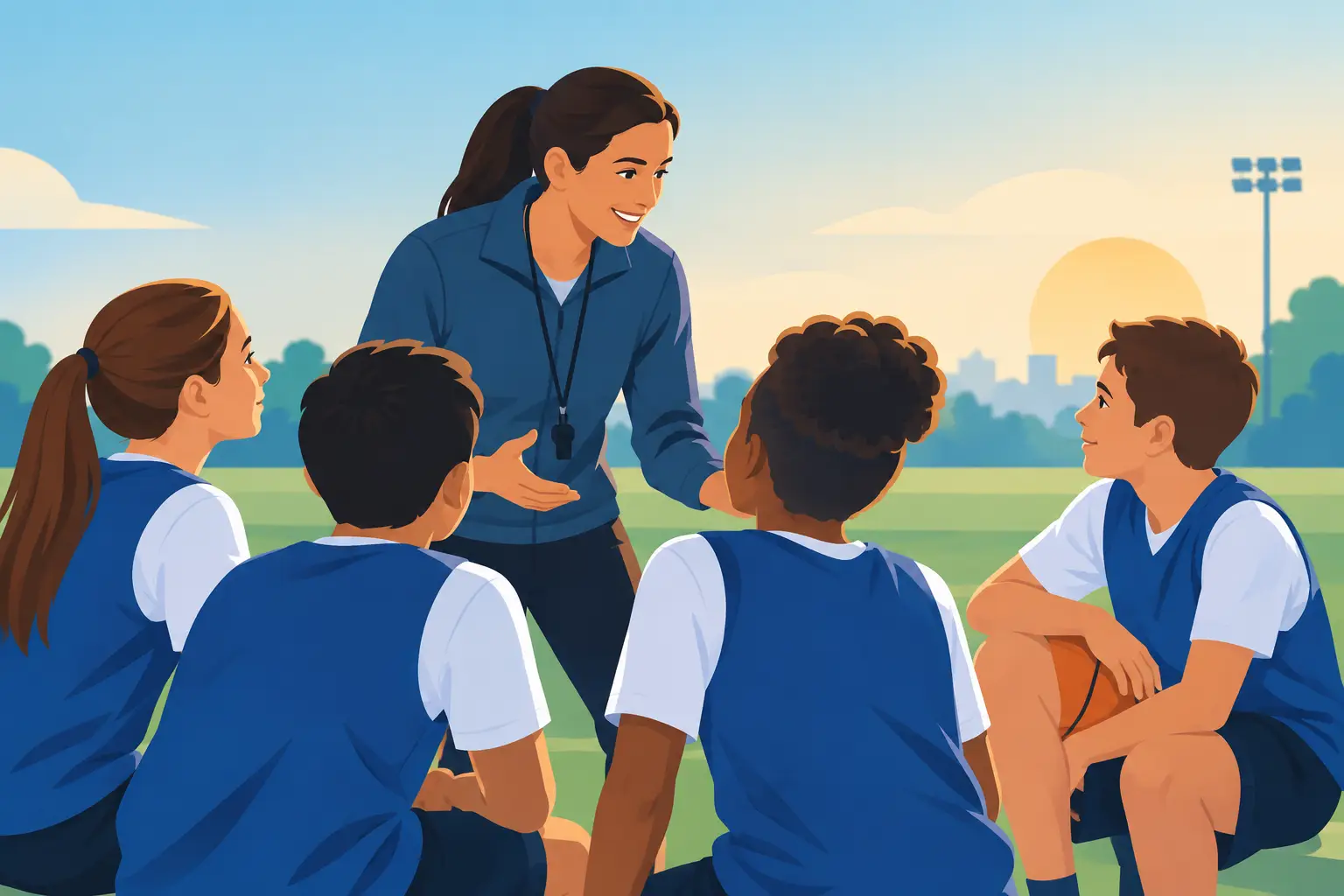
The final bell can mark the start of a student’s most meaningful growth. For many young people, the hours between school and dinner are where they decide whether they belong, discover what they can do, and meet adults who see potential in them. Thoughtful after school sports programs turn that window into more than practice time. They create a dependable place for young people to learn, compete, ask questions, build relationships, and prepare for what comes next.
Sports alone are not the answer to every challenge a student faces. A uniform cannot replace academic support, a caring mentor, safe transportation, or access to future opportunities. But when athletics is connected to those supports, it can become a powerful vehicle for confidence, discipline, leadership, and lasting community connection.
Why After School Sports Programs Matter
Young people need places where high expectations come with real support. After school is often a vulnerable stretch of the day, especially for families balancing work schedules, transportation barriers, and limited access to affordable enrichment. A strong program gives students structure at a time when they may otherwise be isolated or left without positive options.
The impact reaches beyond physical activity. Practice teaches students how to show up prepared, communicate under pressure, respond to setbacks, and contribute to something bigger than themselves. Those are skills that matter in classrooms, jobs, families, and neighborhoods.
Still, access is not equal. Participation fees, equipment costs, travel requirements, and a shortage of nearby programs can keep talented and eager students on the sidelines. Communities that invest in inclusive athletics help make sure opportunity is not reserved for families with the most resources. Every young person deserves a chance to find their team, develop their voice, and be recognized for their effort.
Athletics Works Best as Part of a Bigger Plan
A scoreboard can measure a game. It cannot measure whether a student feels supported at school, has someone to call for guidance, or understands the range of careers available to them. That is why the strongest youth programs connect sports to a fuller development plan.
At Combs Enterprises, that means bringing together athletics, educational enrichment, mentorship, and professional exposure. A coach may be the adult who notices a student struggling to stay focused. A mentor may help that same student set academic goals. A career experience can show them that the discipline they practice on the field has a place in business, media, technology, health care, and countless other paths.
This integrated approach does not ask young people to choose between being athletes, students, and future professionals. It helps them see that each part of their growth reinforces the others. A student who learns to lead a warm-up can also learn to lead a group project. A young athlete who receives constructive feedback can build the resilience needed for an interview or a college application.
What Young People Need From a Program
Not every sports opportunity delivers the same value. A program can have excellent facilities and still fall short if students do not feel safe, respected, or known. The quality of relationships and the consistency of support matter as much as the sport itself.
Effective after school sports programs generally create room for four connected experiences:
- Skilled coaching that teaches technique, teamwork, sportsmanship, and healthy habits.
- Trusted mentorship from adults who listen, encourage accountability, and model positive choices.
- Academic reinforcement that keeps school performance central rather than treating it as separate from athletics.
- Career exposure that introduces students to professionals, workplaces, and pathways they may not encounter on their own.
These elements should be adapted to the community, not copied from a one-size-fits-all model. Younger students may need more help with routines, confidence, and basic movement skills. Older students may benefit from leadership roles, college readiness, job-shadowing experiences, and conversations about balancing commitments. Students who are new to sports may need a welcoming entry point before they are ready for a competitive team.
The goal is not to produce elite athletes at all costs. For some young people, athletic competition will become a long-term pursuit. For many others, the greatest outcome will be learning how to belong, persevere, and imagine a future with more choices.
A Coach Can Be a Connector
Coaches hold an influential position in a young person’s life. They set the tone for how students handle success and disappointment. They can also become connectors, helping students reach tutoring, counseling, mentors, or community resources when needed.
That responsibility requires training and support. Coaches should understand how to create inclusive teams, communicate with families, recognize when a student may need additional help, and keep athlete well-being ahead of winning. A demanding coach can still be a caring coach. In fact, clear standards are most meaningful when students know the adult holding them is invested in their growth.
Programs should also make room for youth leadership. Let students help welcome new participants, lead drills, organize team service efforts, or speak about what would improve the program. Leadership is not something reserved for the loudest player or the team captain. It grows when young people are trusted with meaningful responsibility.
Families and Partners Make Opportunity Possible
A student’s success should never depend on one organization working alone. Families understand their children’s needs, strengths, and schedules. Schools see academic progress and attendance patterns. Community organizations bring specialized services and trusted local relationships. Businesses and philanthropic partners can provide resources, volunteers, career exposure, and financial support.
When these partners work in coordination, small barriers become easier to solve. A school can share space. A local business can sponsor uniforms or transportation. A nonprofit can provide mentoring. A parent can help identify the best practice times for working families. Each contribution helps create a program that students can actually access and sustain.
Support should also be practical. Donations can cover registration fees, meals, equipment, background checks, facility access, and transportation. Group orders and community fundraising can help create shared investment. Professional volunteers can bring students into conversations about careers, entrepreneurship, college, and workplace expectations. These are not extras. They are often the difference between an opportunity that looks good on paper and one a young person can truly use.
How to Measure More Than Wins
Winning can be fun, and competitive goals can motivate students. But a program’s success should not be judged only by trophies or standings. Communities should also ask whether students are attending consistently, staying engaged in school, building positive peer relationships, and gaining confidence to pursue new opportunities.
Stories matter here. A student who once stayed quiet may begin encouraging teammates. A young person who struggled with attendance may start arriving early for practice and carrying that habit into school. A participant who has never met a professional in their field of interest may leave a career day with a new goal. These changes can be gradual, but they are real signs of growth.
Data can strengthen those stories. Programs can track participation, student retention, academic check-ins, family feedback, leadership roles, and referrals to mentoring or educational services. The purpose is not to reduce young people to numbers. It is to make sure resources are reaching students well, identify gaps, and keep improving the experience.
Building a Stronger Future, One Practice at a Time
The best youth athletics programs do not simply fill time after school. They help young people build a foundation for the rest of their lives. They offer a place to move, learn, be challenged, and be supported by adults and peers who expect them to succeed.
When a community brings together coaching, mentoring, academic encouragement, and career exposure, it sends a clear message: young people are not waiting to become leaders someday. They are developing leadership right now. The next step is simple and shared – make sure every student who wants a place to grow can find one.
Leave a Reply