
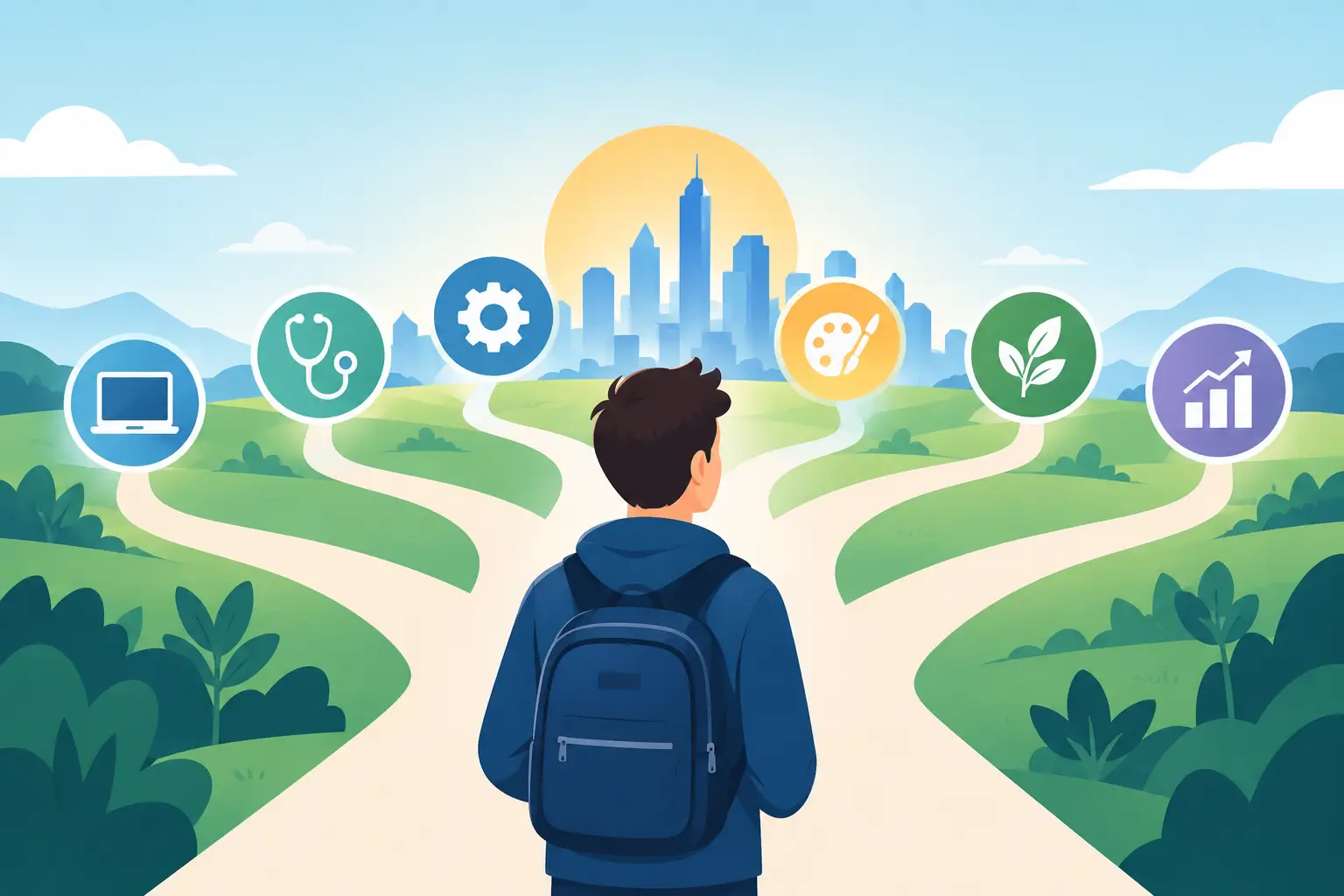
A student may see a coach at practice, a teacher in class, and a neighbor heading to work each morning, yet still have no clear picture of how their own talents can become a career. Future student career pathways begin to take shape when young people can connect what they enjoy, what they are learning, and who they can become. That connection is not created by one career day or one motivational speech. It grows through steady relationships, meaningful experiences, and a community willing to show up.
For many students, especially those with limited access to professional networks, the question is not a lack of ambition. It is a lack of exposure. They may not know someone who works in health care, technology, construction, education, entrepreneurship, sports management, the arts, or public service. They may not know which classes, credentials, or habits can move them closer to those opportunities. Communities can change that reality by making guidance and access part of everyday youth development.
Future Student Career Pathways Need More Than Information
Career information matters, but information alone rarely changes a young person’s direction. A student can hear that a profession exists and still wonder, “Is there a place for me there?” They need opportunities to ask questions, practice new skills, make mistakes safely, and meet adults whose experiences make success feel possible.
That is why a strong pathway connects academic growth with personal development. Students need support in reading, math, communication, and problem-solving. They also need confidence, consistency, teamwork, and the ability to recover when something does not go as planned. Those qualities help young people succeed in every field, whether they pursue college, a credential program, military service, entrepreneurship, or enter the workforce directly after graduation.
A pathway should not pressure every student toward one definition of success. College can be a powerful route, but it is not the only route. The goal is to help each young person make informed choices and prepare for a future that matches their strengths, responsibilities, interests, and goals.
Four Experiences That Turn Potential Into Direction
Mentors make the future feel personal
A caring mentor can help a student recognize progress that might otherwise go unnoticed. A young person who believes they are “just good at helping teammates” may be developing leadership. A student who loves organizing a school event may have strengths in project management, communications, or business. A mentor gives language to those abilities and encourages students to build on them.
The most effective mentoring is consistent rather than occasional. It creates room for honest conversations about school, family responsibilities, setbacks, and goals. Mentors do not need to have every answer. Their role is to listen, ask thoughtful questions, share practical insight, and remind students that their future is worth planning for.
Education provides a foundation for choice
Academic enrichment is not separate from career readiness. It is the foundation that allows students to keep options open. Strong literacy helps a young person understand applications, contracts, and workplace communication. Math skills support financial decision-making, technical training, and countless careers. Curiosity and critical thinking help students adapt as industries change.
Educational programs are most meaningful when students understand why the learning matters. A budgeting activity can connect math to entrepreneurship. A writing assignment can become practice for a professional email or scholarship essay. A science lesson can introduce careers in environmental work, medicine, engineering, or nutrition. The point is not to turn every class into a job interview. It is to help students see learning as a tool they can carry forward.
Athletics build habits that transfer beyond the game
Youth athletics can be a powerful part of career development when it is paired with guidance and academic support. Practice teaches preparation. Competition teaches composure. Teamwork teaches students how to contribute to a shared goal, accept feedback, and lead with accountability. These are workplace skills as much as athletic skills.
Sports are not a guarantee of a professional athletic career, nor should they be presented that way. Only a small number of young athletes will compete professionally. The greater opportunity is to use sports as a structured environment where students build discipline, resilience, and confidence. Those lessons can lead to careers on the field, behind the scenes in sports, or in entirely different industries.
Career exposure turns possibility into a plan
Career exposure works best when students can experience a field rather than simply hear about it. A workplace visit, conversation with a professional, job-shadowing opportunity, panel discussion, or hands-on project can reshape what a student believes is possible.
These experiences should include a range of careers and routes into them. Students deserve to meet professionals with different backgrounds, educational journeys, and definitions of success. They should also hear honest perspectives about the preparation a field requires, the challenges involved, and the habits that matter most. Realistic guidance builds trust and helps young people make choices with confidence.
A Connected Approach Creates Stronger Outcomes
When mentoring, education, athletics, and career exposure operate in isolation, students may benefit from each one without seeing how they fit together. A connected approach creates a clearer line from today’s effort to tomorrow’s opportunity.
Consider a student who joins an athletic program. A coach notices their leadership potential and connects them with a mentor. The mentor helps the student set academic goals and introduces them to a professional working in sports medicine. A career visit sparks an interest in health care, while tutoring helps the student strengthen the science skills needed to pursue it. No single moment determines the outcome. The pathway becomes stronger because adults and programs work together.
This model also helps identify barriers early. A student may need transportation, access to technology, help completing forms, professional clothing, academic support, or simply encouragement to apply for an opportunity. Families often know what their children need, but they should not have to navigate every system alone. Schools, coaches, nonprofit partners, businesses, and supporters can coordinate resources so that opportunity is not limited to students who already have connections.
Combs Enterprises advances this kind of integrated support by bringing together youth development, athletic experiences, educational programming, mentors, and professional exposure. The purpose is not to choose between personal growth and career preparation. Young people deserve both.
How Communities Can Strengthen Career Pathways
Every stakeholder has a role in helping students move from aspiration to action. Parents and caregivers can ask about interests, celebrate effort, and encourage young people to explore more than one future. Educators can connect lessons to real-world applications and recommend students for enrichment opportunities. Coaches can reinforce that leadership, attendance, and academic commitment matter beyond the season.
Local businesses and corporate partners can make a direct difference by opening their doors, sharing their expertise, and creating age-appropriate exposure opportunities. A professional does not need to deliver a polished keynote to have an impact. A conversation about a career journey, a workplace tour, or a chance to observe a team at work can give a student a new point of reference.
Philanthropic supporters can invest in the conditions that make participation possible. Transportation, meals, supplies, program staff, tutoring, safe practice spaces, and scholarships may not always be visible, but they determine whether a student can remain engaged. Long-term investment matters because trust and growth take time.
Keep Student Voice at the Center
A meaningful pathway is built with young people, not simply for them. Students should have room to name their interests, change their minds, and explore careers that adults may not have considered. Some will be ready to identify a goal early. Others will need broad exposure before a direction emerges. Both are valid.
Adults can offer structure without taking ownership of a student’s future. The best question is often not, “What do you want to be?” It may be, “What problems do you want to help solve?” or “What kind of work makes you feel proud?” Those questions invite young people to see themselves as capable contributors rather than as a set of test scores or circumstances.
When a community gives students caring guidance, high expectations, and real access to opportunity, it does more than prepare them for a job. It helps them recognize their capacity to lead, serve, and create a future with purpose.
Leave a Reply