
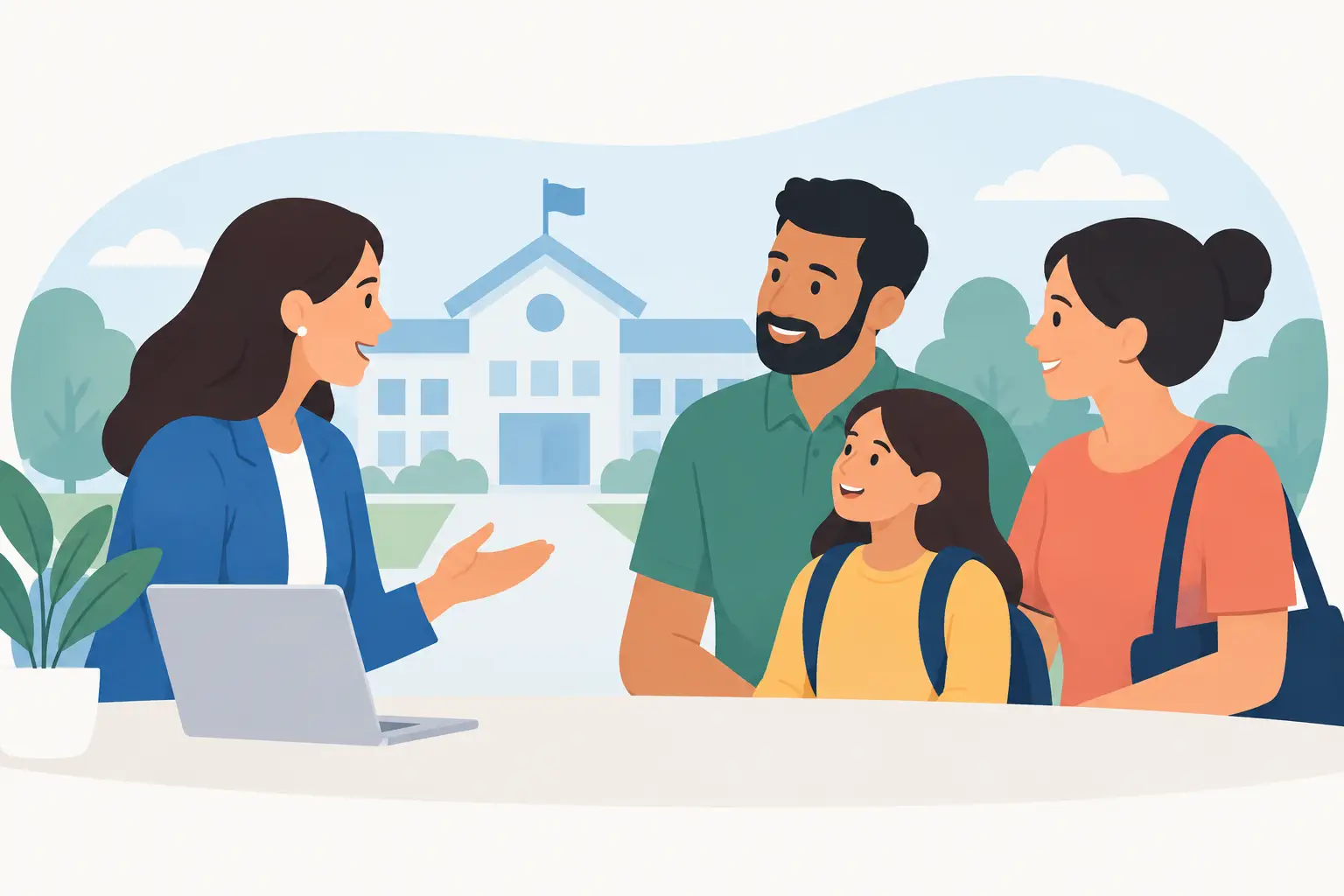
A student may show up for practice, tutoring, or a career visit, but lasting growth often depends on what happens beyond the program. Families reinforce routines, encourage persistence, share concerns early, and help young people see opportunity as something meant for them. Learning how to engage student families means creating relationships that honor their knowledge, time, and hopes for their children.
For schools, coaches, nonprofits, and community partners, family engagement is not a box to check at the start of a school year. It is a shared commitment to helping young people build confidence, academic strength, leadership skills, and meaningful connections to their future.
Start With Trust, Not Attendance
Too often, family engagement is measured by who attends an open house, responds to an email, or joins a meeting. Those moments matter, but attendance alone does not tell the full story. A caregiver working an evening shift, managing transportation challenges, or caring for multiple children may be deeply invested in a student’s success even when they cannot be in the room.
Trust begins when organizations recognize families as partners and experts on their own children. Ask what a student enjoys, what motivates them, what barriers they are facing, and what support would feel useful. Listen before presenting a plan. When families feel respected rather than judged, they are more likely to share the context that helps adults serve students well.
Consistency matters here. A warm welcome at registration cannot make up for months of unclear messages or unreturned calls. Follow through on commitments, explain changes promptly, and make sure families know who to contact when they need help.
Make Communication Clear and Two-Way
Families should not have to search for basic information about schedules, expectations, transportation, meals, costs, or program goals. Use plain language and communicate early enough for people to make arrangements. A message that arrives the night before an event may be technically informative, but it is not truly accessible.
Communication works best when it is offered through more than one channel. Some families prefer text messages, while others rely on phone calls, email, paper flyers, or conversations at pickup. The right mix depends on the community. Ask families what works for them, then use those preferences consistently.
Just as important, create ways for families to respond. A simple question at the end of a message can open a valuable conversation: What would help your student participate? Is there anything we should know before this event? What opportunity would you like to see next?
When feedback reveals a challenge, acknowledge it. Not every request can be met immediately, but families deserve to know they were heard and to understand what happens next.
Connect Programs to What Families Care About
Families are more likely to participate when they can see how an activity supports the future they want for their child. That future may include stronger grades, a safe place after school, a college or career pathway, healthy friendships, athletic development, or a trusted adult who believes in them.
Be specific about the value of each opportunity. Instead of saying a mentoring program builds success, explain that students will meet consistently with caring adults, set goals, practice communication, and learn about education and career options. Instead of promoting athletics only as competition, show how structured sports can strengthen discipline, teamwork, resilience, and leadership.
This is especially important for families who have seen programs come and go without clear results. They need more than inspiring language. They need to understand the commitment involved, what their student will experience, and how adults will support them along the way.
Show the Full Pathway
The strongest youth programs do not treat academics, athletics, mentoring, and career exposure as separate needs. A student who gains confidence on a team may become more willing to speak with a mentor. A career visit can give new meaning to classroom learning. Academic support can help a young athlete stay eligible and focused on long-term goals.
Families should be able to see these connections. Share the pathway: students receive guidance, build skills, meet professional role models, and practice showing up for themselves and their community. When the purpose is clear, participation feels less like one more obligation and more like an investment in a young person’s future.
Remove Barriers Before Asking for More Participation
An invitation is only meaningful when students and families can realistically accept it. Before planning a workshop, tournament, family night, or career exposure experience, consider the barriers that may keep people away. Transportation, child care, work schedules, language access, technology, cost, and safety can all shape participation.
There is no single solution for every community. An evening event may work well for some families and exclude others. Virtual options can increase access for some households while creating new challenges for families with limited internet service or shared devices. The answer is not to choose one format forever. It is to offer practical options and learn from participation patterns.
When resources allow, provide transportation support, flexible meeting times, food, translated materials, or take-home activities that do not require a family to be present at a specific hour. When resources are limited, be honest about that reality and work with local partners to close the gap.
Community organizations, schools, local businesses, and philanthropic supporters all have a role. A business can host a career visit. A nonprofit can provide mentoring. A school can identify students who would benefit from additional support. Families can help leaders understand what access looks like in real life.
Invite Families Into the Work of Student Growth
Engagement becomes more meaningful when families have opportunities to contribute, not just receive information. Some may want to volunteer at an event, share their professional experience, help welcome new families, or serve on an advisory group. Others may prefer to support their student at home with a clear set of goals and updates.
Offer more than one way to participate, and avoid assuming that the most visible volunteers are the only engaged caregivers. A parent who reviews a student’s goals after dinner, a grandparent who makes sure they get to practice, and a sibling who encourages them before a presentation all contribute to student success.
Programs can strengthen these contributions by giving families useful conversation starters. After a mentorship session or career event, ask students to discuss one new idea at home: a career they learned about, a challenge they handled, or a goal they want to reach by the end of the month. These small conversations connect program experiences to daily life.
Celebrate Growth Without Creating Pressure
Recognition can build pride and momentum, especially when it reflects more than awards and test scores. Celebrate persistence, attendance, teamwork, acts of leadership, improved communication, and the courage to try something new. Families should hear about progress before there is a problem.
At the same time, be thoughtful about privacy and pressure. Not every family wants public recognition, and not every student is ready to share personal goals. Ask permission, offer choices, and make celebration feel affirming rather than performative.
Use Family Feedback to Improve the Program
The best way to understand how to engage student families is to treat feedback as part of program design. Do not wait until the end of the year to ask what worked. Build in regular, low-pressure opportunities for caregivers to respond through quick surveys, short conversations, listening sessions, or check-ins at events.
Look for patterns, not just individual comments. If families consistently mention late notice, transportation concerns, or uncertainty about program expectations, those are signals to improve systems. Share back what you learned and what changes will be made. This simple practice builds credibility because it shows that family voice leads to action.
At Combs Enterprises, youth development is strongest when caring mentors, educational enrichment, athletics, career exposure, and community support work together. Families are essential to that connection. Their insight helps turn individual programs into a network of opportunity around each student.
The next invitation you send can do more than fill seats. Make it clear, practical, welcoming, and connected to a young person’s goals. Then keep the conversation open. When families, educators, coaches, mentors, and community partners move in the same direction, students gain more than access to a program – they gain a circle of support that can carry them forward.
Leave a Reply