
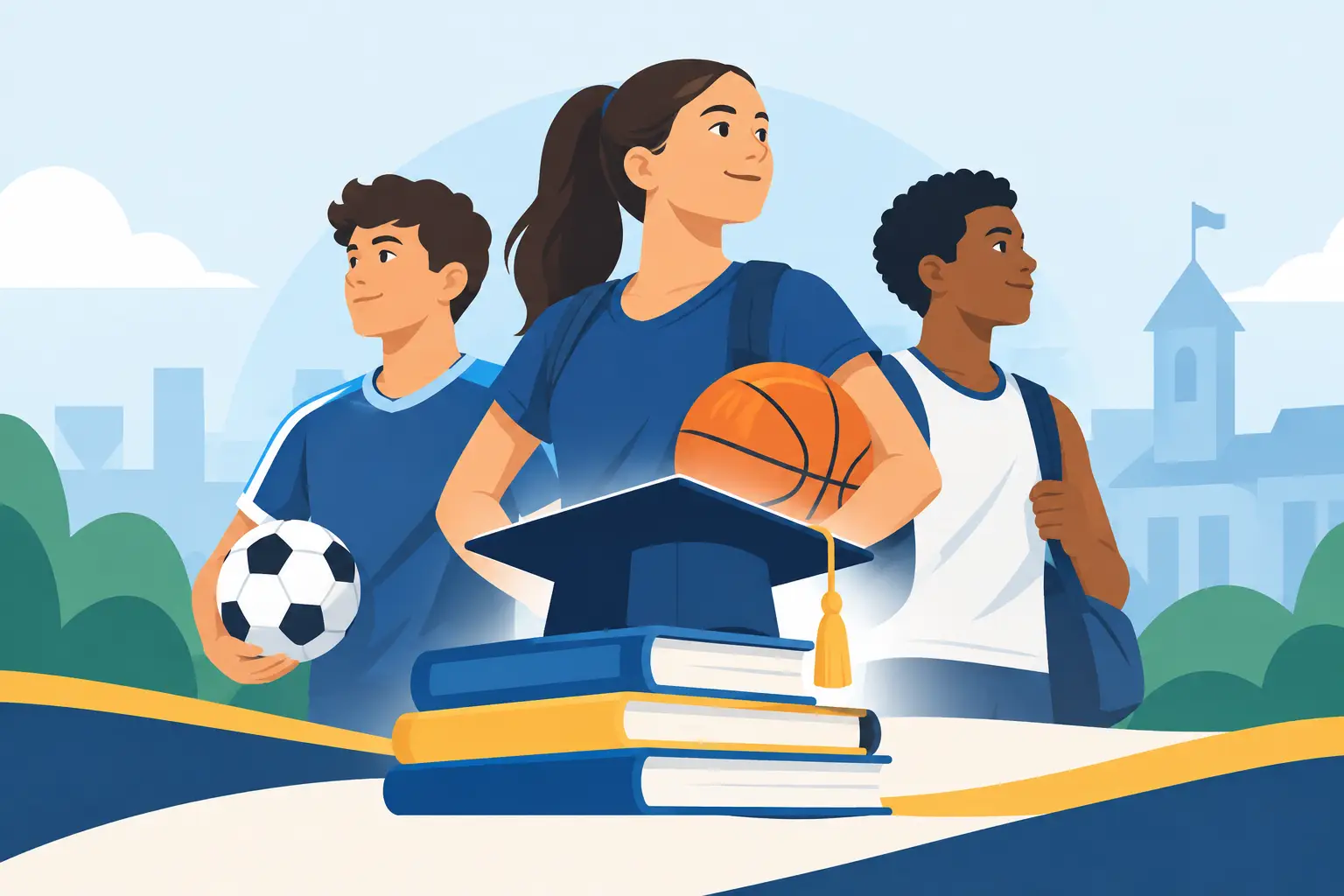
A missed registration deadline, an equipment bill, or the cost of travel should not be the reason a young person steps away from a sport they love. Youth sports scholarship programs help remove those barriers, but their greatest value reaches beyond the field or court. When scholarships are paired with academic support, caring mentors, and exposure to future careers, they create room for young people to grow into confident leaders.
For families, coaches, schools, and community partners, the question is not simply how to fund participation. It is how to build an environment where students can show up, learn, compete, and see a future that feels within reach.
What Youth Sports Scholarship Programs Make Possible
A strong scholarship program recognizes that athletics can be a powerful vehicle for development. Sports give young people a place to practice commitment, respond to setbacks, communicate with teammates, and work toward a shared goal. Those lessons matter long after the final whistle.
Yet participation often comes with costs that are easy to underestimate. Registration fees, uniforms, transportation, meals, tournament travel, training, and required equipment can put organized athletics out of reach. A scholarship can cover one expense or several, depending on a family’s needs and the program’s resources. The right approach depends on the community, the sport, and the student.
Financial support alone, however, does not guarantee a meaningful experience. A student who receives a fee waiver but lacks reliable transportation may still miss practice. A talented athlete may need tutoring during a demanding season. Another may benefit most from a mentor who can help them build confidence and make thoughtful decisions about school, sports, and life.
That is why the most effective youth sports scholarship programs connect access with support. They treat young athletes as whole people with academic responsibilities, family needs, personal goals, and real potential.
Scholarships Should Support More Than Participation
A well-designed program starts with a clear promise: no young person should have to choose between opportunity and affordability. From there, it can build practical supports around the student.
Some programs offer direct fee assistance. Others provide equipment, transportation vouchers, meals, or travel support. In communities where schedules and distance are major barriers, transportation may be more valuable than a registration grant. For students who are already participating but struggling in school, academic enrichment may be the resource that keeps sports a positive force rather than an added source of pressure.
The strongest models also establish expectations that feel supportive, not punitive. Students might be encouraged to maintain school attendance, participate in tutoring, attend leadership sessions, or give back through peer mentoring and community service. These opportunities reinforce a simple message: athletic growth and academic excellence belong together.
There is an important balance to strike. Programs should set high expectations, while recognizing that young people may be navigating challenges outside their control. A family facing housing instability, a student caring for siblings, or a teen adjusting to a new school needs understanding alongside accountability. Flexible communication and trusted adult relationships make that balance possible.
Mentors turn access into guidance
Coaches are often influential adults in a young person’s life, but students benefit when they have a broader network of support. Mentors can help athletes set goals, prepare for difficult conversations, develop study habits, and recognize strengths that extend beyond sports.
Career exposure also changes what students can imagine. Meeting professionals in health care, business, media, technology, education, skilled trades, and sports-related fields helps young people understand that their discipline can open many doors. Not every athlete will compete in college or professionally. Every athlete can develop skills that matter in college, careers, and their community.
Building a Fair and Trusted Scholarship Process
Families should not need specialized knowledge or personal connections to apply for support. A scholarship process earns trust when it is easy to understand, welcoming, and respectful of a family’s privacy.
Applications should use plain language and ask only for information that is necessary. Offer help completing forms, especially for families with limited time, language barriers, or inconsistent internet access. Schools, recreation centers, faith communities, and local nonprofits can serve as trusted places to share information and assist applicants.
Selection criteria should be transparent. Financial need may be the primary consideration, but programs can also consider a student’s commitment, attendance, academic goals, and willingness to participate in mentoring or enrichment opportunities. The key is to avoid confusing potential with a polished application. Young people who have had fewer opportunities may not have lengthy activity lists or access to private coaching, yet they may have extraordinary determination.
Programs should also protect against an overly narrow definition of achievement. Scholarships that favor only the highest-performing athletes can unintentionally leave out students who would benefit most from structured activity and positive coaching. Competitive excellence has value, but so do persistence, growth, teamwork, and a student’s readiness to engage.
The Community Has a Role in Every Scholarship
Youth opportunity is not created by one coach, one school, or one donor. It takes a connected community. Local businesses can sponsor team fees or equipment. Corporate partners can fund transportation, host career days, and introduce students to professional networks. Educators can identify students who would thrive with added support. Coaches can create safe, accountable team cultures. Donors can provide flexible funding that helps programs respond to needs as they arise.
Community organizations are especially effective when they coordinate rather than compete. A recreation program may offer quality coaching but need academic partners. A school may have students in need of after-school activities but lack equipment funding. A mentoring organization may have caring volunteers looking for meaningful ways to connect with youth. Together, these assets can form a stronger pathway than any single effort could provide.
This integrated approach reflects the work of Combs Enterprises: bringing athletics, education, mentorship, career exposure, and community investment into the same conversation. Young people do not experience their lives in separate categories. Their support systems should not be built that way either.
Measure what matters to students and families
Participation numbers are useful, but they are only the beginning. Programs should also pay attention to attendance, school engagement, retention from season to season, family feedback, and students’ sense of belonging. Conversations with participants often reveal what a spreadsheet cannot: whether a coach made a student feel seen, whether transportation was reliable, or whether tutoring helped a young athlete stay eligible and motivated.
Longer-term outcomes matter, too. Are students gaining leadership skills? Do they know more about college and career options? Are they returning as mentors, volunteers, or coaches? These indicators show whether a scholarship created a one-time opportunity or helped build a lasting relationship with community.
How Supporters Can Help Sustain Opportunity
Lasting programs need more than seasonal fundraising. They need reliable partnerships and shared ownership. Supporters can contribute funds, donate equipment in good condition, sponsor team meals, provide safe transportation, volunteer as mentors, or create career exposure experiences for students. Organizations with resources can also make multi-year commitments, which gives program leaders the stability to plan ahead instead of rebuilding support every season.
Before contributing, ask practical questions. What costs keep students from participating? How are families informed about available support? Are girls, students with disabilities, and young people from underserved neighborhoods being reached? Does the program provide trained adults, safe facilities, and clear channels for family communication? Thoughtful support strengthens both access and quality.
The goal is not to create a handout. It is to create a pathway where young people have the resources, relationships, and recognition they need to keep moving forward. When a community invests in a student’s chance to play, learn, and lead, it sends a lasting message: your future is worth showing up for.
Leave a Reply