
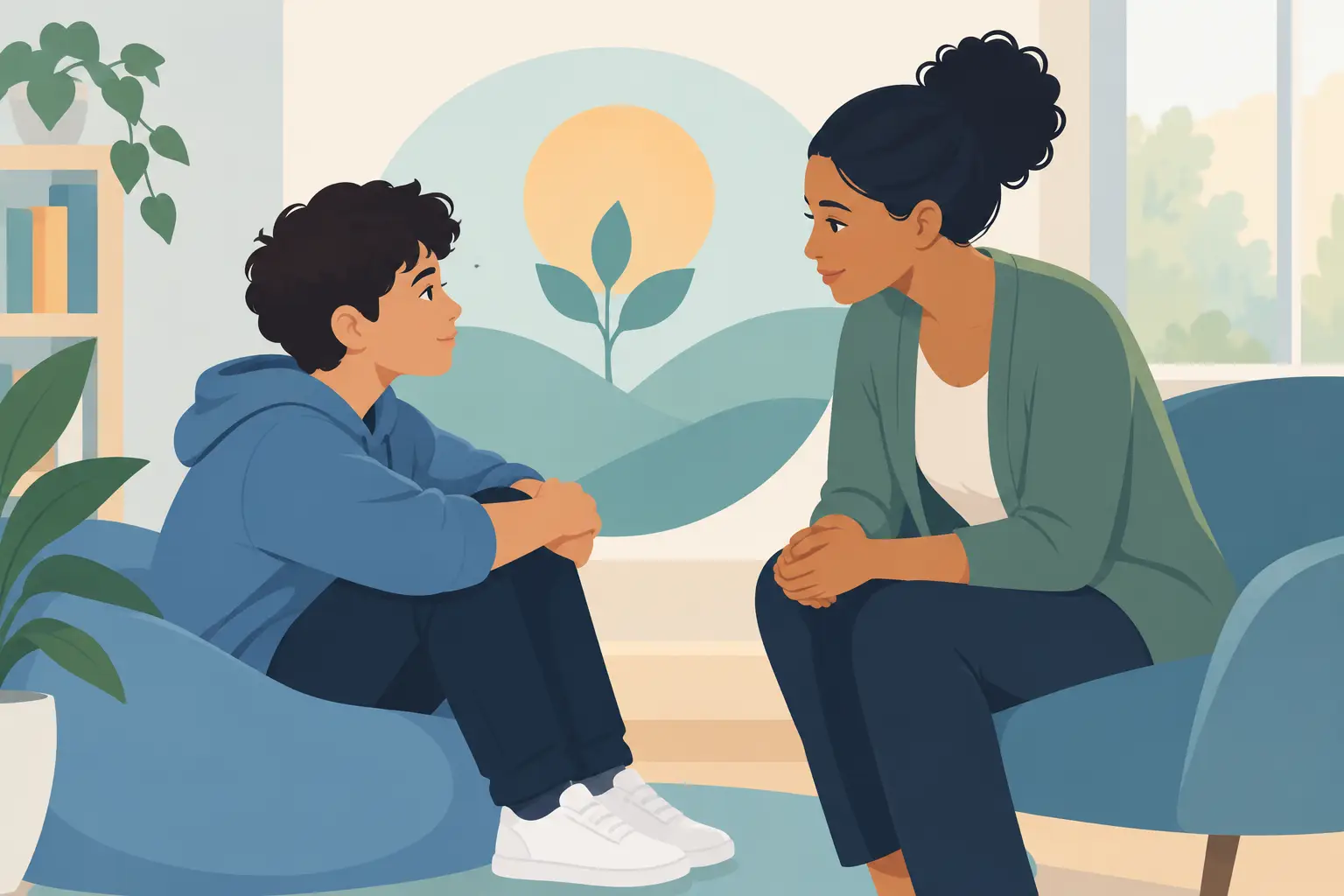
A young person who seems distracted at practice, guarded in a mentoring session, or quick to shut down in class may not be unmotivated. They may be responding to stress, loss, instability, or experiences that have taught them not to expect safety from adults. This guide to trauma informed coaching offers a practical way for coaches, mentors, educators, and youth-serving partners to respond with steadiness, respect, and care.
Trauma-informed coaching does not ask adults to diagnose young people or become therapists. It asks us to recognize that behavior communicates needs, that trust is built through consistent action, and that every young person deserves an environment where they can learn, compete, make mistakes, and grow without shame.
What Trauma-Informed Coaching Means
Trauma-informed coaching is an approach that considers how difficult experiences can affect a young person’s emotions, relationships, attention, confidence, and response to authority. It shifts a familiar question – “What is wrong with this student?” – toward a more useful one: “What may this student need to feel safe enough to engage?”
For youth programs, athletics, and educational settings, this distinction matters. A student may miss practice because transportation is unreliable. A young athlete may react strongly to feedback because criticism has felt unsafe in other parts of life. Another may avoid leadership opportunities not because they lack potential, but because being visible has not always felt secure.
A trauma-informed approach holds high expectations while offering the structure and support needed to meet them. It is not permissive. It is disciplined, predictable, and relationship-centered.
Why It Matters in Youth Development
Sports, mentoring, academic enrichment, and career exposure can be powerful places for young people to build confidence. They can also unintentionally repeat harmful patterns when adults rely on humiliation, inconsistency, public criticism, or rigid punishment without understanding context.
Young people do not need adults to have perfect answers. They need adults who show up, follow through, and treat them with dignity. When a coach explains a decision, when a mentor listens without rushing to judgment, or when a program leader calmly helps a student reset after a difficult moment, that interaction can strengthen trust.
Trust supports participation. Participation creates opportunities to practice teamwork, communication, problem-solving, and leadership. Over time, these experiences can help young people see themselves not as problems to manage, but as capable contributors with a future worth investing in.
The Core Practices of Trauma-Informed Coaching
Create predictability before expecting performance
Clear routines help young people know what to expect. Start sessions and practices on time when possible. Explain schedules, roles, rules, and changes before they happen. Be specific about what success looks like, whether the goal is completing a drill, contributing to a group project, or preparing for a career conversation.
Predictability does not mean every day must look the same. Programs need flexibility, especially when families are navigating work schedules, housing transitions, health needs, or transportation barriers. The goal is to make change understandable rather than confusing.
A simple check-in at the beginning of a session can also help. Asking, “What do you need to be ready today?” gives young people a chance to name whether they need water, a few quiet minutes, clarification, or encouragement. Not every need can be solved immediately, but being heard matters.
Build relationships through consistency
Trauma-informed coaching is built in ordinary moments. Learn and use names correctly. Notice improvement. Keep commitments. If you promise to connect a student with a career guest, follow up. If you make a mistake, acknowledge it and repair the relationship.
Consistency is especially meaningful for young people who have experienced adults coming in and out of their lives. A supportive coach or mentor does not need to force personal disclosure to build connection. Respectful curiosity is enough: ask about goals, interests, school experiences, favorite subjects, or what they want to improve.
Connection should never depend on performance. A young person deserves respect after a strong game, a missed assignment, a conflict, or a hard day.
Use language that corrects without shaming
Accountability and compassion belong together. Public embarrassment may create short-term compliance, but it rarely builds the internal confidence and decision-making skills that young people carry into adulthood.
Instead of saying, “You are being disrespectful,” name the behavior and the next step: “I need you to lower your voice so we can talk through this.” Instead of, “You never listen,” try, “The directions were missed. Let’s review them and decide what happens next.”
This approach does not remove consequences. It makes consequences clear, proportional, and connected to learning. A player who misses a team responsibility may need to repair trust by communicating early, supporting teammates, or taking on a defined responsibility at the next practice. The purpose is growth, not humiliation.
Offer meaningful choice and voice
Trauma can leave people feeling powerless. Appropriate choices help young people practice agency. In a program setting, that may mean choosing between two leadership roles, deciding how to demonstrate learning, selecting a team goal, or sharing feedback on a planned activity.
Choice has limits. Adults remain responsible for safety, boundaries, and program expectations. Still, inviting youth voice sends a clear message: your perspective matters here. That message is especially powerful when organizations use feedback to improve programming rather than simply collecting it.
Teach regulation as a skill
Young people may need support recognizing when they are overwhelmed and identifying ways to reset. Coaches and mentors can normalize short breaks, water, breathing exercises, movement, quiet reflection, or a brief conversation with a trusted adult.
The right strategy depends on the young person and the setting. A student may benefit from stepping aside for two minutes before rejoining a group. Another may feel singled out by that approach and prefer a quiet check-in after practice. Ask when possible, observe what works, and avoid treating regulation as a punishment.
Adults should also model calm. A coach who pauses before responding to conflict demonstrates the same skill they hope young people will develop.
What Trauma-Informed Coaching Is Not
This approach is not therapy, and youth-serving staff should not attempt to provide clinical treatment outside their role or training. When a young person shares concerns about abuse, self-harm, unsafe living conditions, or serious mental health needs, follow organizational safeguarding procedures and connect them with qualified support immediately.
Trauma-informed coaching is also not an excuse to lower standards or overlook harm. Young people can be held accountable for their actions while adults consider the circumstances affecting those actions. The balance is not always easy. It requires judgment, communication, and a willingness to repair rather than react.
Building a Team-Wide Culture of Care
One caring adult can make a difference, but young people benefit most when the entire program operates with shared expectations. Coaches, volunteers, educators, site leaders, and partners should understand how the organization responds to conflict, confidentiality, attendance challenges, disclosures of harm, and family communication.
Training should be paired with practice. Teams can discuss realistic scenarios: a student who becomes angry after feedback, a parent who is frustrated about a rule, or an athlete who repeatedly arrives late. The objective is not to script every response. It is to build habits of calm communication, fairness, and appropriate referral.
Physical spaces matter, too. Clear signage, accessible water, defined activity areas, private places for brief conversations, and welcoming adults at the door can make programs feel more organized and secure. Safety is communicated through systems as much as through words.
Community partnerships strengthen this work. Schools, families, mental health providers, youth organizations, athletic programs, and local businesses each see different parts of a young person’s life. With appropriate privacy practices and shared purpose, they can connect young people to tutoring, mentoring, career exposure, transportation support, and trusted professional guidance.
Start With the Next Interaction
No coach, mentor, or educator can remove every barrier a young person faces. But every adult can make the next interaction more respectful, more predictable, and more hopeful. That might look like greeting a student by name, explaining a consequence calmly, noticing effort, or staying present after a difficult conversation.
At Combs Enterprises, we believe young people grow when communities connect opportunity with consistent support. Trauma-informed coaching helps create the conditions where mentoring, education, athletics, and career exposure can do their best work: helping young people build confidence, develop leadership, and move forward knowing they do not have to do it alone.
Leave a Reply