
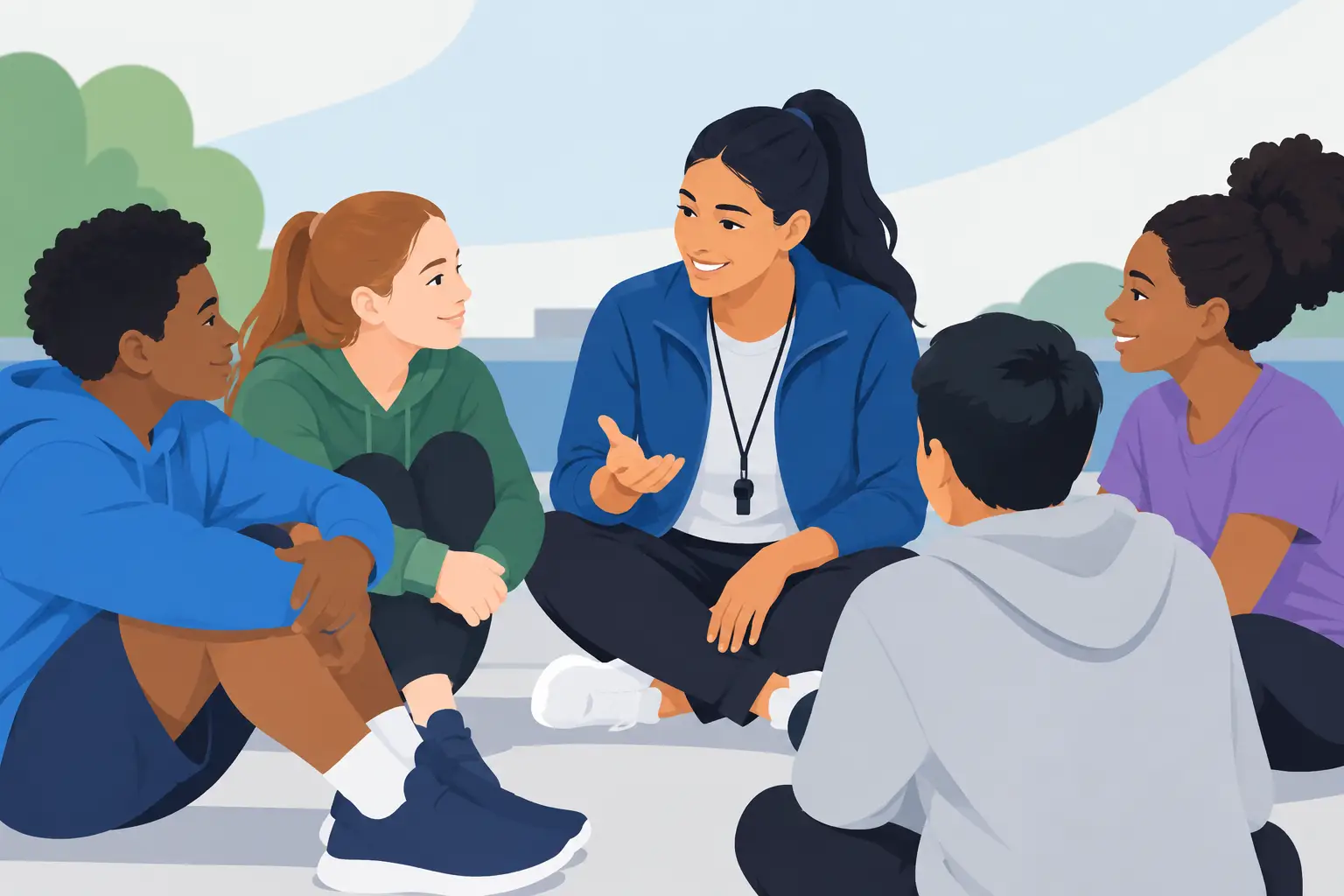
A young person can remember one coach’s words for years. A correction delivered with respect can build resilience. A joke about a player’s name, body, ability, or background can make them question whether they belong. Inclusive coaching practices recognize that every interaction shapes more than athletic performance. They shape confidence, connection, and a young person’s willingness to keep showing up.
For youth programs, inclusion is not a separate activity or a message posted on the wall. It is the daily work of creating a team environment where every student has access to guidance, meaningful participation, and the opportunity to grow. When coaches lead with fairness and care, athletics becomes a powerful setting for discipline, teamwork, academic motivation, and future leadership.
What Inclusive Coaching Practices Look Like
Inclusive coaching begins with a clear belief: talent is not always loud, polished, or immediately visible. Some young athletes arrive with years of training and family support. Others are learning the rules for the first time, balancing school responsibilities, navigating transportation barriers, or finding the confidence to speak up in a group. A strong coach sees potential in each of them.
That belief must show up in decisions. It means learning and correctly pronouncing players’ names. It means setting expectations that apply to everyone while recognizing that young people may need different kinds of support to meet those expectations. It means giving feedback on effort, decisions, and skills rather than labeling a child as naturally gifted, difficult, or uncoachable.
The goal is not to lower standards. Young people deserve coaches who challenge them. The difference is that inclusive coaches pair high expectations with clear instruction, patient repetition, and a genuine commitment to helping every player improve.
Belonging comes before big lessons
A player who feels unsafe, singled out, or invisible is less likely to take healthy risks. They may avoid asking questions, hesitate in competition, or leave the program altogether. Before a coach can teach a new drill or strategy, they need to establish that every young person is respected.
Simple routines can make a meaningful difference. Welcome players as they arrive. Learn what motivates them. Set team agreements about respect, language, effort, and how teammates respond to mistakes. Address disrespect quickly and calmly, without humiliating anyone in front of the group.
This does not require coaches to have all the answers. It requires them to listen, stay curious, and take responsibility when they get something wrong. A sincere correction can strengthen trust and show young people what accountability looks like.
Build Access Into the Program
Opportunity should not depend on whether a family can afford specialized equipment, private lessons, travel, or a flexible schedule. Coaches and program leaders cannot remove every barrier alone, but they can identify barriers and build practical support around them.
Start by asking what participation requires beyond interest. Is there a cost for uniforms, registration, transportation, meals, or tournament travel? Are practice times workable for students who rely on family members for rides or have caregiving responsibilities? Are program communications accessible to families who speak languages other than English or have limited access to technology?
When possible, offer loaner equipment, flexible payment options, carpools, clear schedules, and direct communication with families. Community partners, schools, local businesses, and supporters can also help close gaps that prevent young people from participating consistently.
Access also means ensuring young people with disabilities can participate with dignity. Adapt drills, instructions, equipment, or roles when needed. Ask the student and family what support is helpful rather than making assumptions. Inclusion is strongest when young people have agency in the process.
Coach the Whole Young Person
Athletics can teach young people how to respond to pressure, work toward a shared goal, and recover from setbacks. Those lessons are most powerful when coaches understand that players bring their full lives to practice.
A student who appears distracted may be carrying stress from school, home, or their neighborhood. That does not mean expectations disappear. It means a coach responds with care before judgment. A brief private conversation can reveal whether the student needs clarification, encouragement, a mentor, or help connecting to additional resources.
Coaches can support whole-person growth by building in short check-ins and making time to recognize progress beyond the scoreboard. Celebrate a player who encourages a teammate, arrives prepared, improves communication, or asks for help. These habits are connected to success in classrooms, careers, and communities.
At Combs Enterprises, youth development is strengthened when athletics is connected to mentoring, educational enrichment, and career exposure. Coaches are often trusted adults in a young person’s life, and that trust can become a bridge to broader opportunity.
Make feedback specific and fair
Young athletes need honest feedback, but the way feedback is delivered matters. Publicly calling out one player while overlooking similar behavior from another can damage trust. So can giving the most detailed instruction only to athletes who are already advanced.
Use specific language: explain what happened, what the player can try next, and why it matters. For example, instead of saying, “You are not focused,” a coach might say, “Keep your eyes up before you make that pass. It will help you see your teammate sooner.” The second message teaches a skill without defining the child by one moment.
Check who receives your attention. Are quieter players getting coaching and encouragement? Are girls, boys, beginners, and returning athletes all being invited to lead? Are assumptions about position, leadership, or toughness influencing who gets opportunities? Reflection helps coaches make fairer choices before patterns become culture.
Create Shared Leadership on the Team
Young people learn leadership by practicing it. Coaches can make room for students to lead warm-ups, welcome new teammates, set short-term goals, or help explain a drill. These roles should rotate so leadership is not reserved only for captains or the most outspoken athletes.
Shared leadership also helps coaches understand the team experience. Invite players to offer respectful feedback about practices and team culture. A quick question such as, “What helped you learn today?” or “What would make this team feel more supportive?” can surface useful insight.
Not every suggestion can become a policy. Coaches still need to make decisions, maintain safety, and protect program standards. But listening signals that young people are active participants, not simply recipients of instruction.
Partner With Families and Community
Inclusive coaching is stronger when families, educators, mentors, and community partners know how to support one another. Parents and caregivers should understand team expectations, schedules, communication channels, and the purpose behind the program. Clear communication reduces confusion and makes it easier for adults to raise concerns early.
Partnership also expands what a program can offer. A school counselor may identify academic support a student needs. A local professional can provide career exposure. A nonprofit partner may offer mentoring or wellness resources. A business can help fund equipment or transportation. These connections turn a team into part of a wider network of opportunity.
For supporters, the role is practical. Invest in safe spaces, qualified coaches, accessible programming, and experiences that connect young people to education and careers. Volunteer time, resources, and professional knowledge can help students see paths that may otherwise feel out of reach.
Measure What Young People Feel and Gain
Wins and losses matter, but they do not tell the full story. Programs should also pay attention to attendance, retention, skill development, academic engagement, leadership opportunities, and whether participants feel respected and included.
Short surveys, family conversations, and player check-ins can reveal whether the environment is matching its values. If students say they do not feel heard, if certain groups leave at higher rates, or if families struggle to participate, that feedback should lead to action. Progress often comes through small adjustments made consistently.
The strongest teams are not built by asking young people to fit one narrow definition of an athlete. They are built by giving each student a real place to contribute, learn, and lead. When a coach creates that kind of space, a practice can become more than a practice. It can become proof to a young person that their effort, voice, and future matter.
Leave a Reply